
Short answer: the Hyundai Santa Fe D4HB 2.2 CRDi diesel is a strong, durable engine with four recurring problems that owners need to budget for between 150 000-250 000 km: an EGR cooler crack that allows coolant into the intake, an oil pump balance-shaft chain stretch causing a metallic rattle, a turbo wastegate actuator sticking from carbon, and DPF blockage on stop-start use.
Key Takeaways
- D4HB 2.2 CRDi fitted to Santa Fe CM, DM, TM (2009-2023) and Sorento equivalents
- Class-leading torque (440 Nm late) and decent economy (7.5-8.5 L/100km mixed)
- Four big-ticket failure points: EGR cooler, oil pump assembly, turbo actuator, DPF
- Catching each one early is far cheaper than a replacement engine
What Is The D4HB?
The D4HB is Hyundai's second-generation 2.2-litre R-family CRDi diesel. It debuted in 2009 in the Santa Fe CM, was updated for the DM (2012-2018) with more torque and lower emissions, and finally appeared in the TM (2018-2023) with another power bump and Euro 6 compliance. Across the SA range you'll find:
| Santa Fe Generation | D4HB Variant | Power | Torque | Notable |
|---|---|---|---|---|
| CM (2009-2012) | D4HB Gen 1 | 145 kW | 421 Nm | Bosch piezo injectors, 6AT |
| DM (2012-2018) | D4HB Gen 2 | 145-147 kW | 421-440 Nm | Updated turbo, DPF standard |
| TM (2018-2023) | D4HB Gen 2.5 | 147-151 kW | 440 Nm | 8AT optional, Euro 6 |
| MX5 (2023+) | D4HE Smartstream | 148 kW | 440 Nm | New balance-shaft design, different platform |
The MX5-generation uses a different engine (D4HE Smartstream), so this article focuses on the earlier D4HB units.
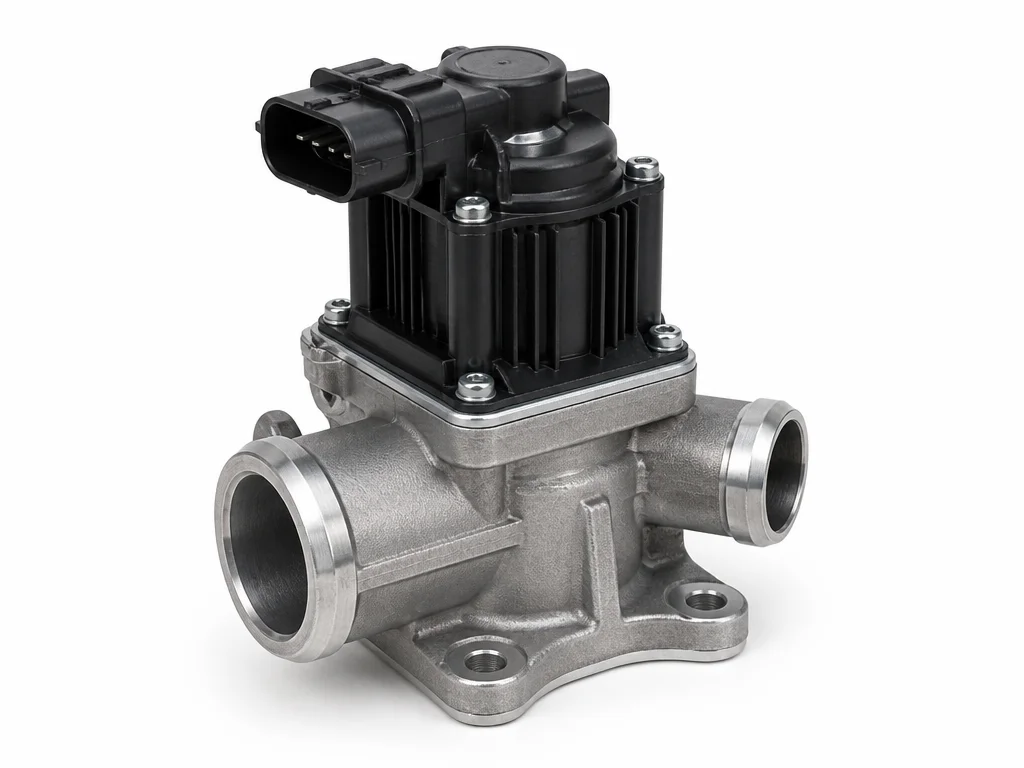
EGR Valves And Coolers
A cracked EGR cooler can wreck a neglected D4HB if it is ignored. Ask us for a quote on a replacement cooler or valve for your workshop to fit, and fit new gaskets and bolts with it.
Problem 1: EGR Cooler Cracking
The biggest D4HB headline issue. The water-jacketed EGR cooler — which sits between the EGR valve and the intake manifold to chill recirculated exhaust gas — develops internal cracks at the welded plates from thermal cycling. When this fails, coolant gets into the intake and from there into the cylinders.
Typical symptoms:
- Sweet-smelling white smoke from the exhaust on cold start
- Coolant loss with no visible external leak
- Misfires on a specific cylinder (the one closest to the EGR feed)
- Coolant in the intake manifold when the manifold is dropped
- In severe cases, hydrolock on cold start (catastrophic — bent rod)
Monitor coolant level and watch for white smoke. Catch it early and it's a part replacement; ignore it and you can write off the engine.
Cost to fix
- New EGR cooler (OE): R5 500-R7 800
- New EGR valve (often replaced together): R3 200-R4 800
- Gasket and bolt kit: R650-R950
- Fitment labour: R3 500-R5 500
- Total: R12 850-R19 050
Problem 2: Oil Pump Balance Assembly Chain Stretch
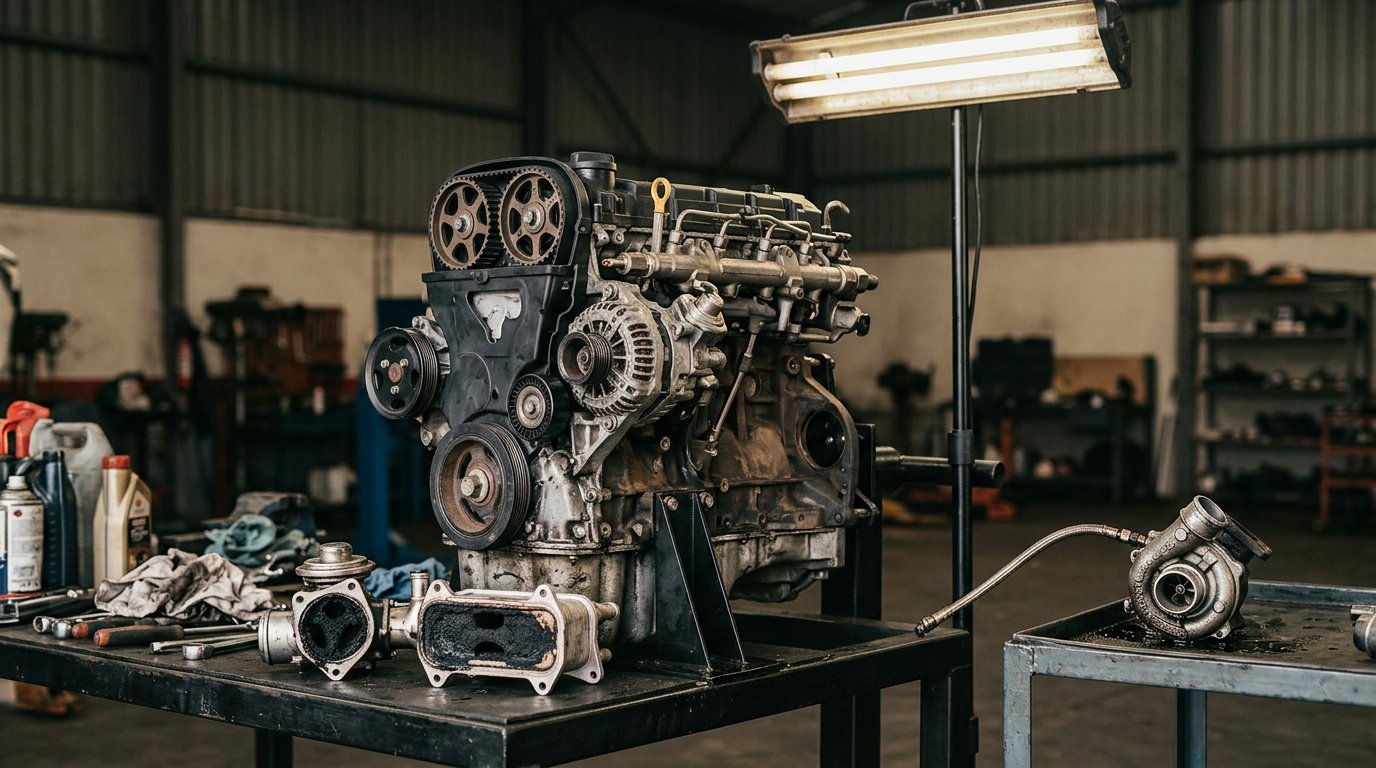
The D4HB has a chain-driven oil pump and balance-shaft assembly inside the lower block. The chain and tensioner are wear items that stretch and rattle at 200 000+ km. The noise is a distinctive metallic rattle from the lower right of the engine at cold start, often confused with a stretched timing chain — but the timing chain is on the other side.
Why it matters:
- Untreated, the chain can jump and damage the oil pump drive
- Once the oil pump fails, the engine starves of oil within seconds
- The repair requires dropping the sump and replacing the balance-shaft assembly
Cost to fix
- Balance shaft chain + tensioner + guide kit: R3 800-R5 500
- Oil pump (if assembly replaced complete): R5 500-R8 500
- Sump gasket + sealant: R450-R750
- Fitment labour (sump-out): R4 500-R7 500
- Total: R14 250-R22 250
Problem 3: Turbo Wastegate Actuator Stuck
The D4HB uses a variable-geometry turbocharger (VGT) on most SA-spec units, with an electronically controlled wastegate actuator. The actuator's linkage sticks when carbon builds up on the vanes — usually around 180 000 km in stop-start service.
Symptoms:
- Power loss above 3 000 rpm
- Limp mode after sustained boost demand
- P0299 (low boost) or P2562 (turbo wastegate actuator position sensor) codes
- Whistle from the turbo at part throttle
The fix is usually an actuator + linkage clean + recalibration; if the VGT vanes themselves are scored, the whole turbo needs replacement.
Cost to fix
- Clean and recalibrate VGT actuator: R3 500-R5 500
- New OE actuator (if needed): R8 500-R12 500
- Replacement turbocharger (worst case): ask for a quote on a used or new unit
- Fitment labour: R4 500-R7 500
Problem 4: DPF Blockage On Short Drives
Every diesel particulate filter (DPF) is designed to do a regeneration burn at highway speed every 800-1 200 km — incomplete regenerations let soot accumulate, eventually blocking the filter. On a Santa Fe used purely for school runs and short commutes, DPF blockage is almost inevitable by 150 000 km.
Symptoms:
- DPF warning light on the dash
- Limp mode with reduced power
- P2002 (DPF efficiency below threshold) or P2453 (DPF pressure sensor circuit) codes
- Active regeneration warning prompts the driver to "drive at speed for 20 minutes"
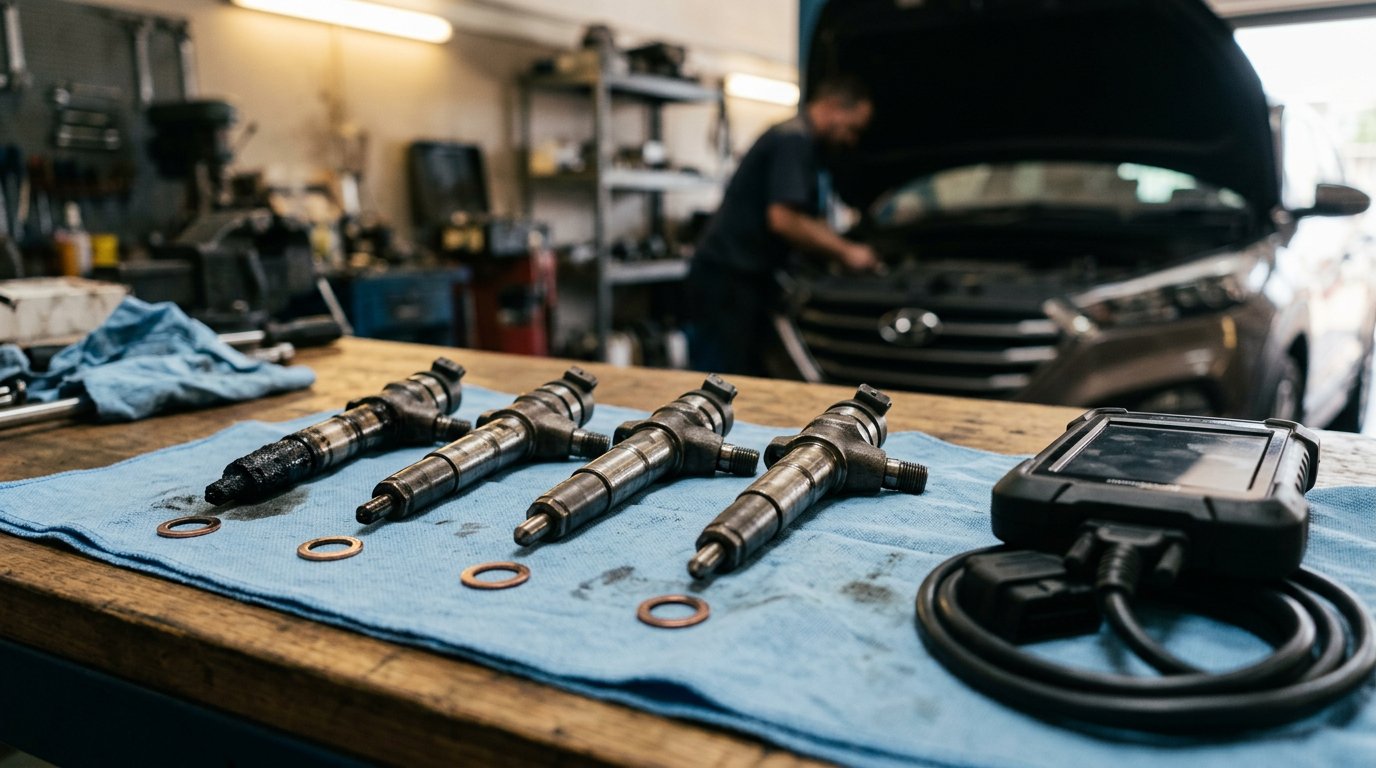
Two fixes: a forced regeneration via diagnostic tool (R750-R1 500) if the DPF isn't past the point of no return, or a DPF clean / removal-and-bake at a specialist (R3 500-R7 500). If the filter is beyond cleaning, ask for a quote on a replacement.
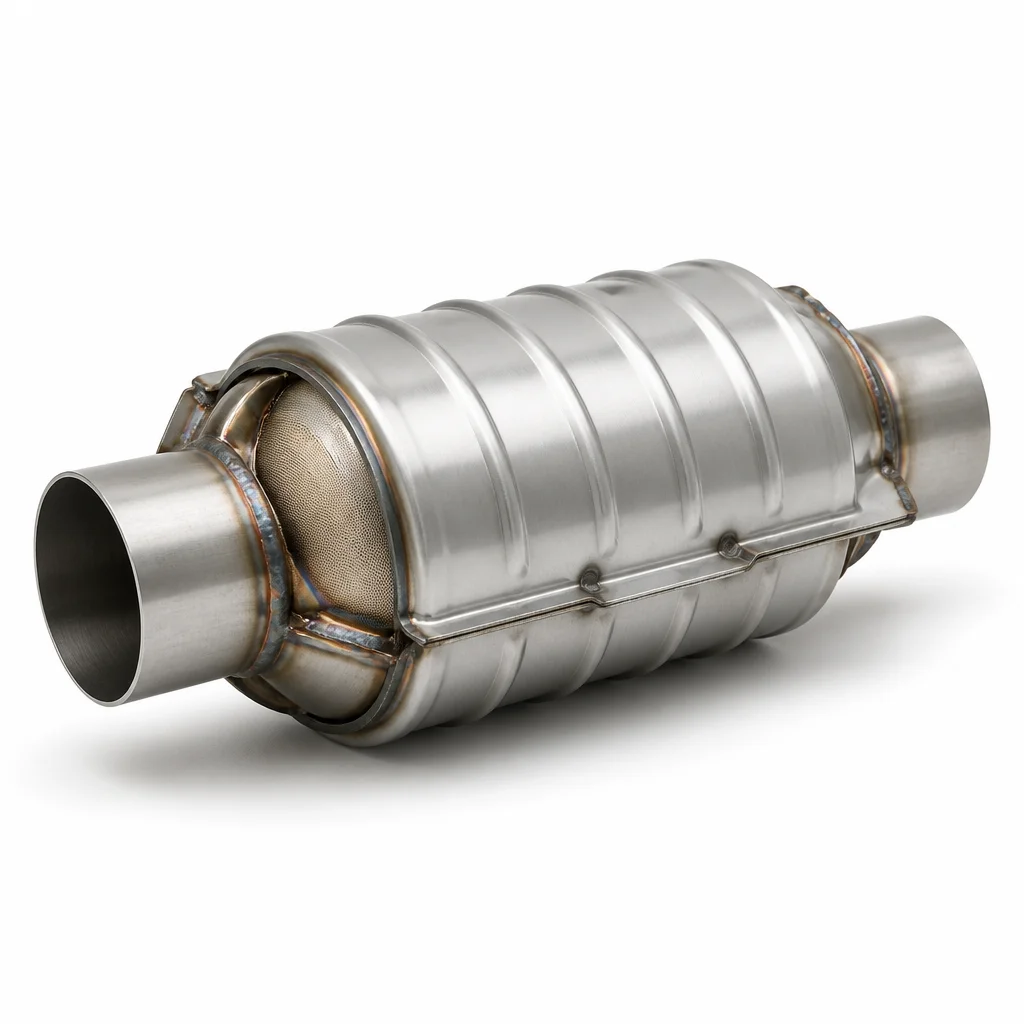
DPFs And Exhaust System
Ask us for a quote on a DPF, downpipe, flex or catalytic converter section for a D4HB-engined Santa Fe.
Total Cost Across Ownership
For a Santa Fe DM doing 250 000 km in SA service, expect to spend roughly:
| Item | Typical Cost (R) | Likely Mileage |
|---|---|---|
| EGR cooler + valve replacement | R12 850 | 160 000-220 000 km |
| Balance shaft chain refresh | R14 250 | 200 000-250 000 km |
| Turbo actuator clean + recalibrate | R3 500 | 180 000 km |
| DPF forced regen or clean | R3 500 | 130 000 km onwards (recurring) |
| Injector set (preventive) | R16 000 | 180 000 km |
| Total preventive spend | R50 100 | over 250 000 km |
Indicative ranges only, not quotes; prices vary by condition, mileage, supplier and labour rate.
That works out to roughly R20 per 100 km in big-ticket diesel maintenance — not including standard service items (oil, filters, belts, brakes, tyres). For comparison, the same Santa Fe in petrol Theta II would cost less in maintenance but more in fuel.
When To Replace The Whole Engine
A swap makes sense when:
- The car has 250 000+ km and multiple symptoms compound (EGR + turbo + injector trouble at once)
- A used D4HB long block is available from a clean accident donor
- The total swap cost (engine plus labour) is less than the running repair total — get a quote to compare
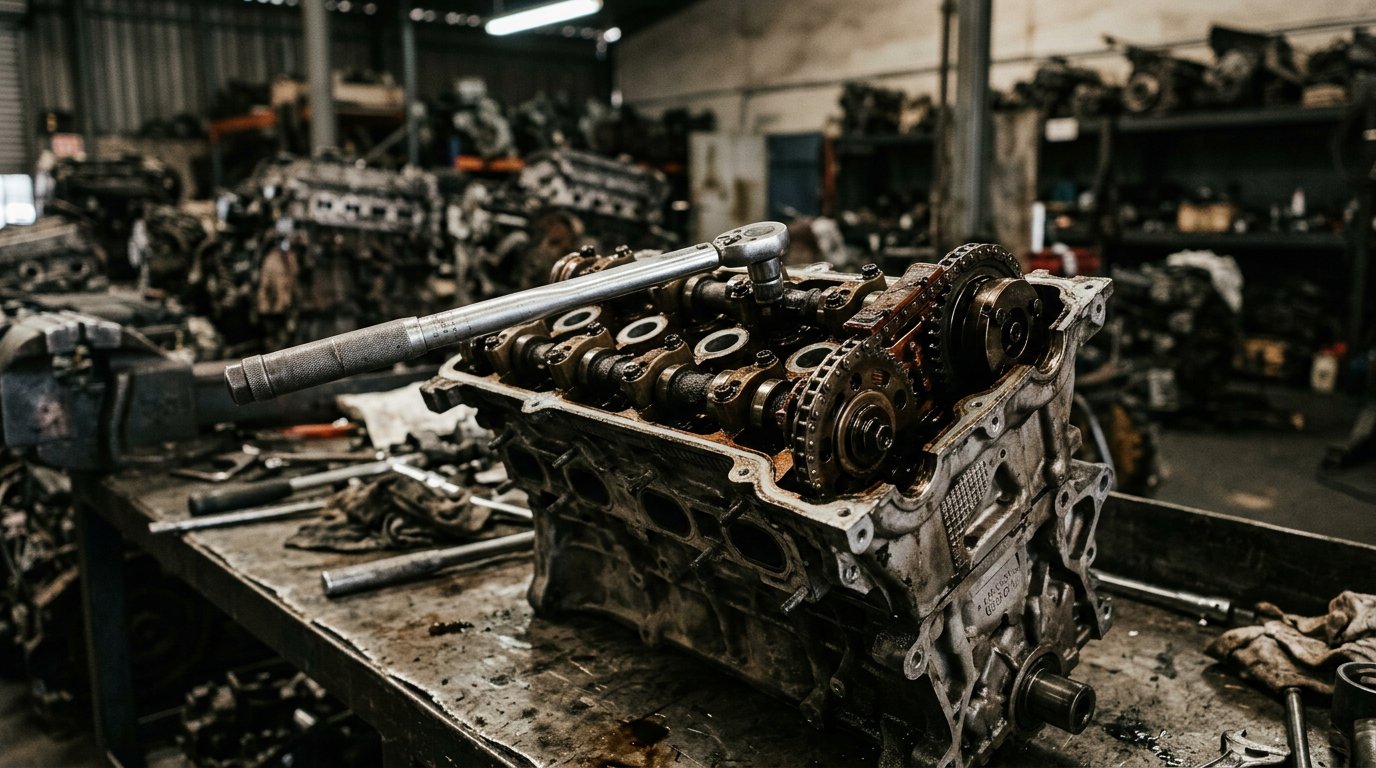
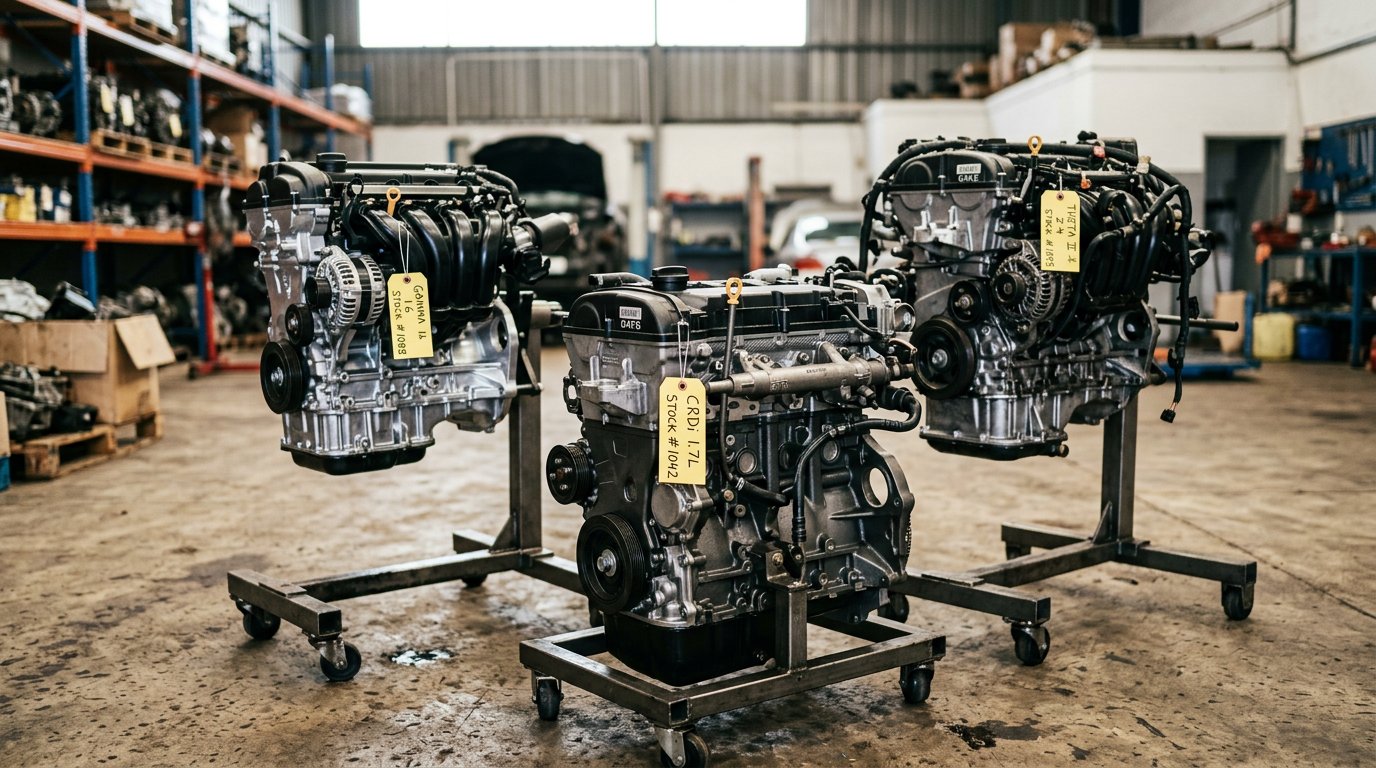
If your D4HB has dropped a balance shaft chain into the oil pump or chewed a turbo into the bottom end, a used replacement is usually the right call — browse our Hyundai engines for sale page and ask for a quote on a D4HB. If only the turbo has failed and the block is sound, a cheaper path is our Hyundai turbochargers for sale page. For broader context on the diesel-versus-petrol Santa Fe choice, see our used Hyundai engines for SA roads guide and the CRDi injector failure symptoms walkthrough.
Preventive Maintenance Routine
A D4HB that reaches 300 000+ km without major work has had:
- Oil and filter every 10 000 km (not 15 000 — SA dust + diesel ash adds up)
- Fuel filter every 20 000 km (book is 30 000 — too long)
- Coolant flush every 40 000 km with Hyundai-spec Long Life Coolant
- Highway run of 30+ minutes at least every 800 km to clear the DPF
- Diesel system additive at every 4th fuel-up if running rural fuel
- Annual EGR inspection (drop the pipe, look for coolant residue)
Skip these and the failure modes above arrive sooner.